
Atatürk University · Founder & Team Leader, EYLab Atauni

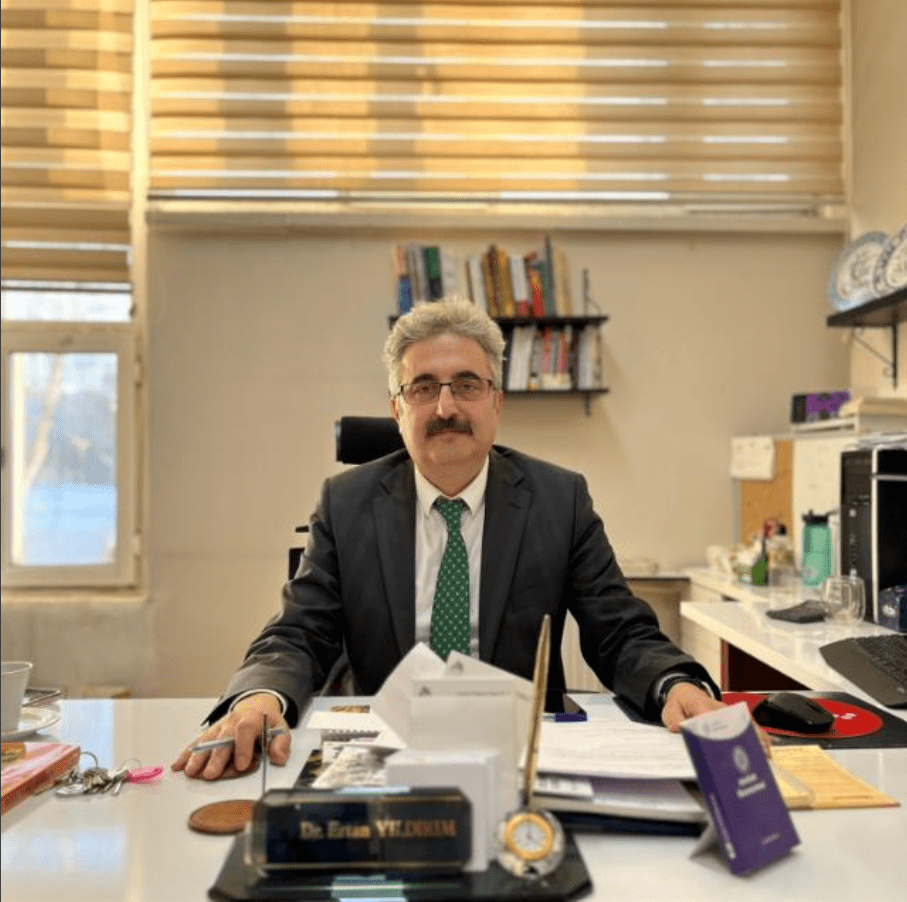
Prof. Dr. Ertan Yıldırım

Full Professor of Horticulture at the Faculty of Agriculture, Atatürk University (Erzurum, Türkiye), and Founder & Team Leader of EYLab Atauni. His research integrates vegetable crop physiology, abiotic stress adaptation, seed biology, biostimulants, and climate-resilient cultivar development.

Prof. Dr. Ertan Yıldırım portrait | Professor of Horticulture and EYLab Atauni Founder
Prof. Dr. Ertan Yıldırım
Full Professor since 2013 · Cornell University Visiting Scientist (2004-2005) · Member, TÜBİTAK TOVAG Advisory Board (2018-2021).
Verified Multi-Database Scholarly Impact

Quantified output across international academic registries

434
Academic Outputs (204 Articles · 137 SCI-E)
AVESİS Atatürk University Research System
64
Funded Scientific Research Projects
Horizon Europe SCI-Nurture, TÜBİTAK, TAGEM, BAP
32
Supervised M.Sc. & Ph.D. Theses
Graduate School of Natural & Applied Sciences
8
Registered Cultivars, Trademarks & IP
RAZİ-YE, ERTANFASÜLYE, HUMAFASÜLYE, EYİCEFASÜLYE, DADAŞTERETOHUM
#10
Atatürk University Rank (#10 / 1,298 Researchers)
AD Scientific Index 2025 · #538 in Türkiye
Laboratory Leadership · lab.ertanyildirim.com

Founder & Team Leader of EYLab Atauni

At Atatürk University, Prof. Dr. Ertan Yıldırım founded and leads EYLab Atauni, a 13-member multidisciplinary research group uniting senior biotechnology and horticulture professors with doctoral and graduate researchers.

Combining controlled greenhouse chambers, biochemical stress assays, and gene-family expression profiling, EYLab bridges fundamental cellular mechanisms with field-ready resilient crops.

Controlled-environment plant stress research greenhouse at EYLab Atauni, Atatürk University

Abiotic Stress Diagnostics

Salinity, drought, waterlogging, and heavy-metal profiling

Biostimulant Validation

Melatonin, strigolactone, chrysin, humic substances, PGPR

Molecular Genomics

GPAT, CHS, OFP, AHL, FtsH, and SAT gene families

Tissue Culture & Breeding

Somatic embryogenesis, micropropagation, cultivar selection

Core Scientific Themes

Four interconnected pillars of horticultural discovery

01 · Stress Physiology

Elucidating photosynthetic, antioxidant, hormonal, and mineral adaptations in vegetable crops under salinity, drought, waterlogging, and toxic trace metals.

02 · Biostimulants & PGPR

Pioneering foliar and seed-priming protocols using salicylic acid, melatonin, PGPR consortia, humic/fulvic acids, astaxanthin, and cold plasma.

03 · Seed Science & Cultivation

Advancing seed germination resilience, soilless horticulture, intercropping sustainability, and cultivar registration for Eastern Anatolia.

04 · Functional Genomics

Characterizing abiotic stress transcription and metabolic gene families alongside bioinformatics and molecular docking validation.

Books & Recent 2026 Research

International editorial leadership and open science

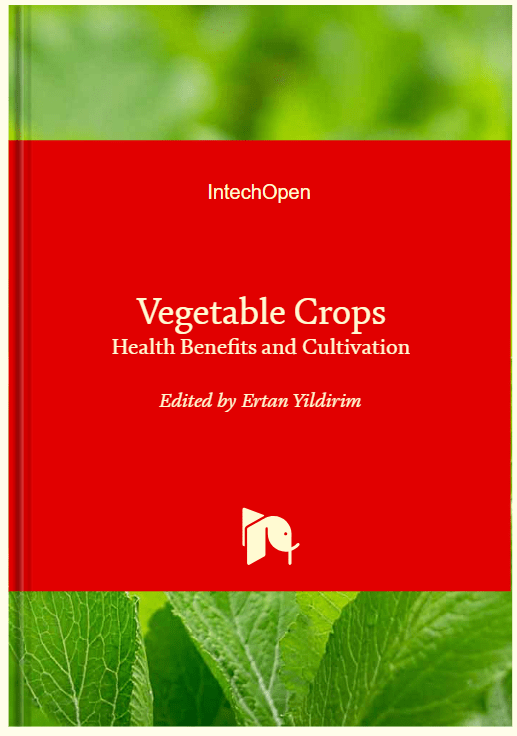
Vegetable Crops IntechOpen Cover edited by Prof. Dr. Ertan Yildirim
IntechOpen · 2022

Vegetable Crops: Health Benefits and Cultivation

Edited by Ertan Yıldırım & Melek Ekinci.
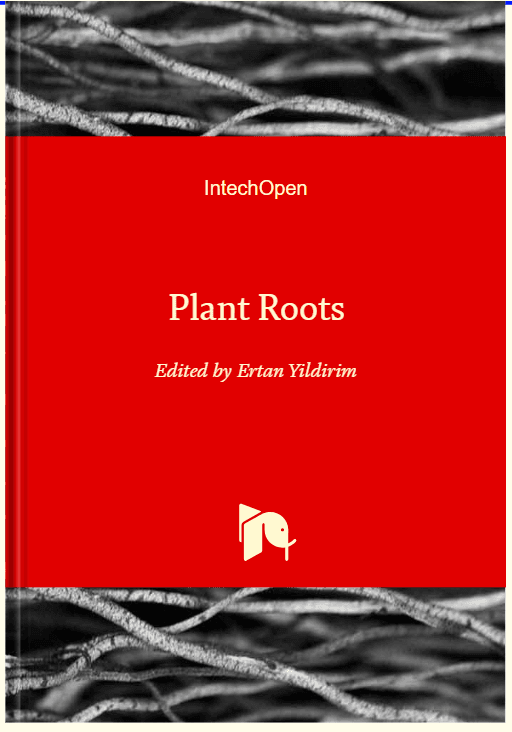
Plant Roots IntechOpen Cover edited by Prof. Dr. Ertan Yildirim
IntechOpen · 2021

Plant Roots

Academic editor, root plasticity and rhizosphere physiology.
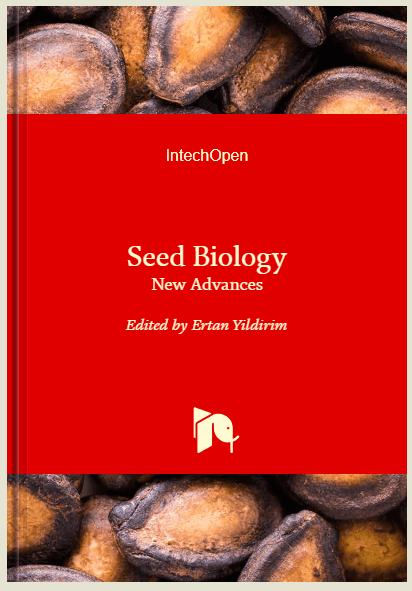
Seed Biology IntechOpen Cover edited by Prof. Dr. Ertan Yildirim
IntechOpen · 2022-2025

Seed Biology & New Perspectives on Seed Germination

Co-edited 2025 volume (ISBN 978-0-85466-119-0) & seed dormancy archives.

IntechOpen · April 2026 · ISBN 978-1-83635-179-5

Cucurbitaceae Crops: Breeding, Production, Current Research and Developments

Co-edited by E. Yıldırım, M. Ekinci, M. Aydın & E. Yiğider.

2026 Featured SCI-E DOIs

Phaseolus vulgaris SAT Genes & Waterlogging Acclimation

J. Plant Biochem. Biotechnol. (10.1007/s13562-026-01135-2), Plants (10.3390/plants15182831), Frontiers in Plant Science (10.3389/fpls.2026.1830185).